
As temperatures drop, many people notice more hair in their brush, on the pillow, or in the shower drain. While winter weather often takes the blame, dermatologists say the real triggers behind seasonal hair fall are far more complex—and largely internal.
Across dermatology clinics in India, complaints of increased hair shedding, dryness, and loss of shine tend to spike during colder months. Notably, experts agree that winter hair problems are rarely caused by cold air alone. Instead, shifts in diet, reduced hydration, and limited sunlight exposure quietly disrupt the hair growth cycle.
Why Winter Nutrition Plays a Critical Role in Hair Health
According to Dr. Raji Patil, Head of Medical Affairs at QR678, winter is when nutritional imbalances often surface. “During colder months, fluid intake typically drops, appetite patterns change, and meals become heavier but less nutritionally diverse,” she explains. That said, these subtle changes can directly affect scalp health and hair strength.
From a clinical standpoint, protein is foundational to healthy hair growth. Hair is largely made of keratin, a structural protein that relies on consistent dietary intake. Meanwhile, deficiencies in iron, vitamin D, zinc, and B-complex vitamins—particularly common among women—often present as increased hair shedding in winter.
Even mild dehydration can worsen the problem. Reduced water intake leads to a dry scalp environment, weaker hair shafts, and higher breakage, especially when combined with indoor heating and low humidity.
What Dermatologists Look for Beyond the Scalp
Dr. Abhishek Pilani, Founder of Assure Clinic and a specialist in dermatology and hair restoration, emphasizes that winter hair loss assessments go well beyond scalp examination. “We always look at what’s on the plate,” he notes. In winter, many people unknowingly reduce both water and protein intake, directly impacting hair density and resilience.
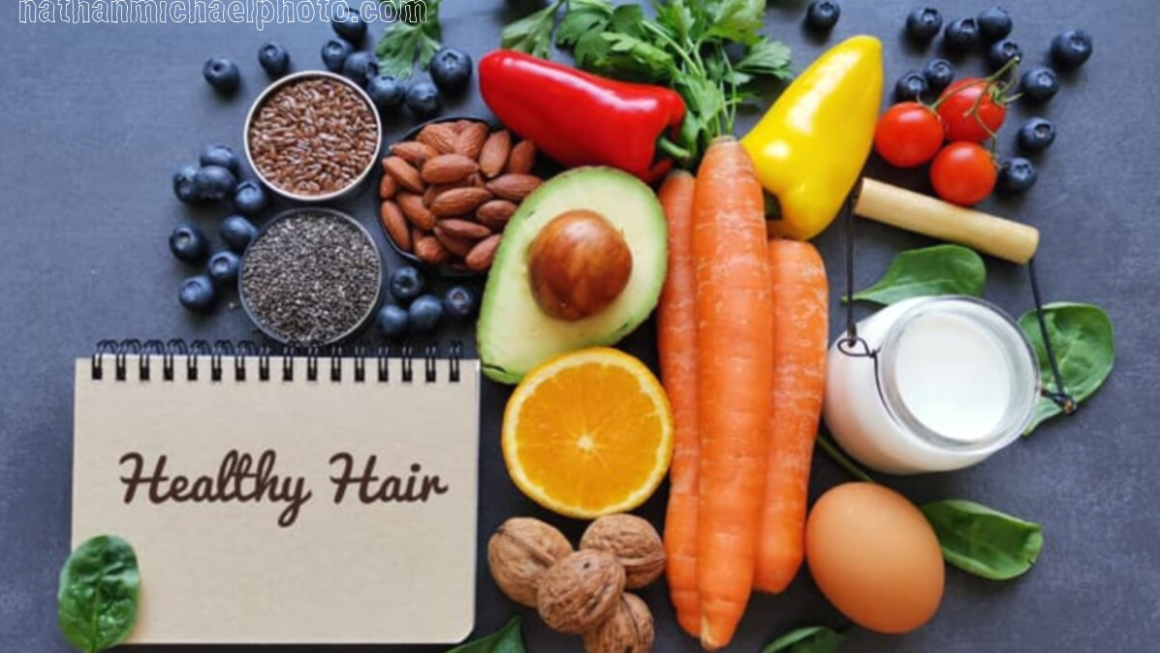
Dermatologists often evaluate whether patients are consuming enough daily protein from sources like dal, paneer, eggs, fish, and chicken. Iron-rich foods such as leafy greens, dates, jaggery, and legumes are equally important. Meanwhile, zinc and omega-3 fatty acids—found in flaxseeds, chia seeds, and walnuts—support follicle strength and scalp balance.
Vitamin D deficiency deserves special attention. With reduced sun exposure during winter, low vitamin D levels become more common and are closely linked to hair thinning and slower regrowth.
How Seasonal Weather and Diet Work Together
Meanwhile, Dr. Shivam, Consultant Dermatologist at Kailash Hospital, Greater Noida, points to the combined effect of cold temperatures and low humidity. These conditions reduce moisture retention and blood flow to the scalp, leading to dryness, dullness, and breakage.
Nutrition acts as an internal defense system against these external stressors. Omega-3 fatty acids help manage scalp dryness, while vitamins C and E support collagen production and circulation. Biotin improves hair texture, and minerals like iron and zinc remain essential for maintaining healthy follicles.
Across expert opinions, one message stands out clearly: there is no single superfood or quick solution for winter hair fall. Sustainable hair health depends on balanced meals, steady hydration, and consistency. Crash diets and extreme food restrictions, doctors warn, often worsen seasonal shedding.
When dietary changes are not enough, medical evaluation and targeted supplementation may be necessary. As Dr. Patil aptly summarizes, “Hair health reflects overall health, and winter is often when hidden nutritional gaps become visible.”
In essence, effective winter hair care starts from within. By focusing on nutrition, hydration, and gentle scalp habits, it’s possible to protect hair long before seasonal shedding becomes a visible concern.