
For millions of Indians, winter brings more than cooler temperatures—it quietly sets the stage for painful skin flare-ups that disrupt daily life. What many dismiss as seasonal dryness is often a warning sign of deeper inflammatory skin conditions intensifying beneath the surface.
Chronic issues such as psoriasis, eczema, and dermatitis tend to worsen during the colder months, notably due to environmental shifts and everyday habits that strain already vulnerable skin. Meanwhile, limited awareness around preventive skincare means many people respond too late, when symptoms are already severe.
Why Winter Worsens Psoriasis, Eczema, and Dermatitis in India
India’s winter is marked by a sharp drop in humidity, particularly across northern and central regions. Low moisture levels gradually weaken the skin barrier—the body’s first line of defense—allowing irritants, pollutants, and microbes to penetrate more easily. Once this barrier is compromised, inflammation follows.
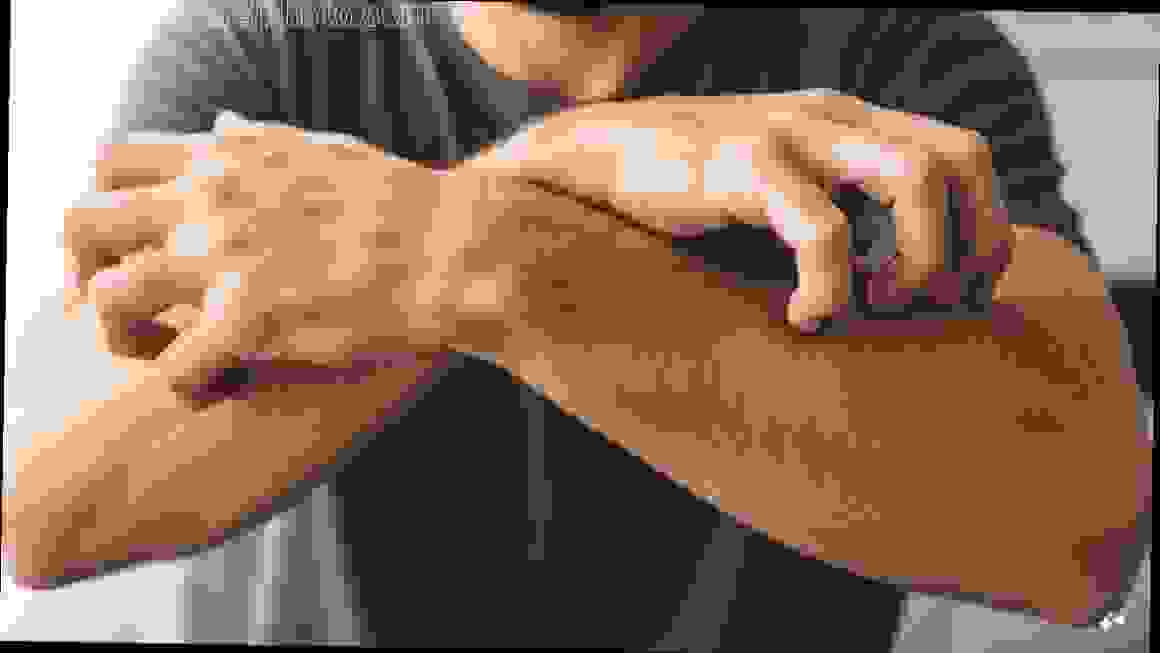
For people managing psoriasis, winter often accelerates skin cell turnover, leading to thicker scaling and persistent discomfort. Eczema, or atopic dermatitis, typically presents as intense dryness and itching, triggering scratch cycles that further inflame the skin. Contact dermatitis also becomes more common, as sensitized skin reacts strongly to soaps, fragrances, woolen clothing, and frequent handwashing.
That said, climate is only part of the story. Air pollution, which peaks in many Indian cities during winter, compounds inflammation and slows skin recovery, a link increasingly recognized by global dermatology bodies such as the American Academy of Dermatology.
The Indian Winter Skincare Gap: Reactive Habits and Hidden Risks
Unlike colder countries where winter skincare is largely preventive, many Indians continue year-round routines that are too harsh for cold weather. Hot water bathing, strong cleansers, and inconsistent moisturization quietly strip away essential oils, worsening dryness and sensitivity.
Notably, delayed visits to dermatologists often lead to self-treatment and the unsupervised use of topical creams. Over time, this can aggravate symptoms and contribute to complications such as topical steroid withdrawal, sometimes referred to as red skin syndrome. According to insights aligned with guidance from the World Health Organization, misuse of dermatological treatments remains a broader public health concern in regions with limited skin health literacy.
From Seasonal Fixes to Preventive Dermatology
Addressing winter skin flare-ups in India requires a fundamental shift—from short-term relief to preventive dermatology. Chronic skin conditions are not episodic inconveniences; they require year-round management.
Effective winter skin care starts with understanding individual skin type and condition, strengthening the skin barrier before winter begins, and using gentle, condition-specific moisturizers and cleansers. Avoiding unsupervised treatments and seeking early professional guidance can significantly reduce flare-up frequency.
Simple lifestyle changes also matter. Limiting hot water exposure, improving indoor air quality, and maintaining consistent hydration routines can make a measurable difference. Over time, these small steps add up, improving skin resilience through the harshest months.
Ultimately, winter highlights a larger issue: the need for stronger skin literacy in India. Recognizing cold weather as a critical intervention window—not just a temporary hurdle—could ease the long-term burden of psoriasis, eczema, and dermatitis nationwide.