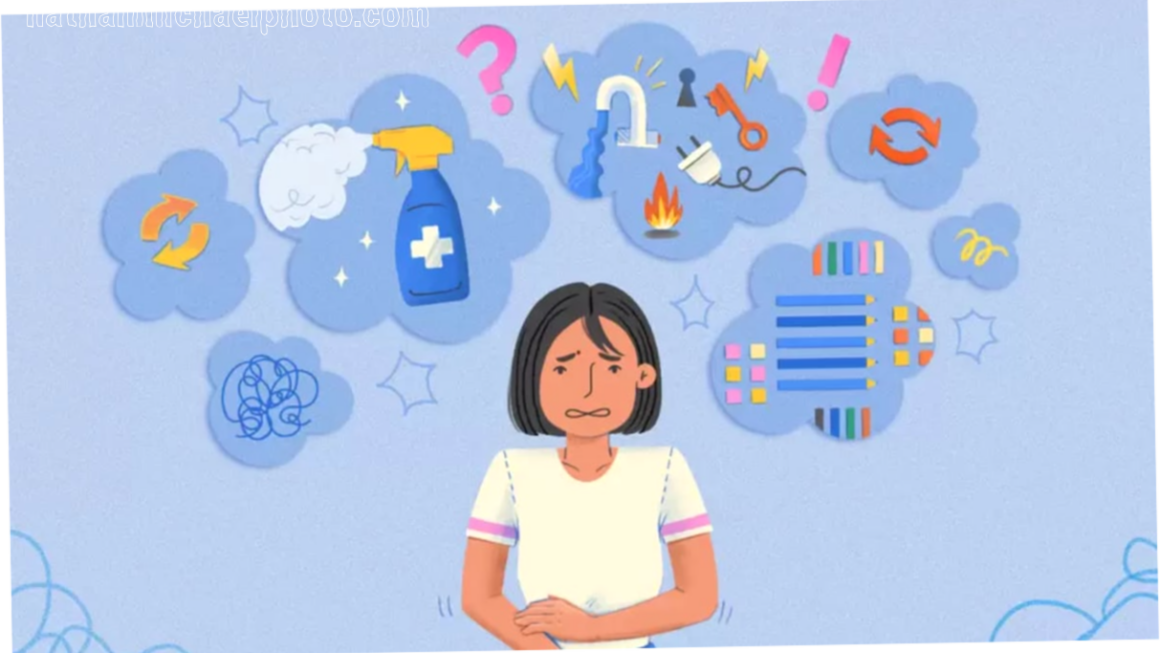


It often starts quietly—typing thoughts you wouldn’t say out loud. Whether it’s anxiety, relationship confusion, or workplace stress, more people are turning to AI for emotional clarity, and the shift is happening faster than anyone expected.
Not long ago, AI tools were mainly used for brainstorming and productivity. Now, according to insights from Harvard Business Review, the primary use case has evolved. Increasingly, people are relying on AI platforms for something far more personal: emotional support, reflection, and even a sense of companionship.
Why AI Tools Like ChatGPT Are Becoming Digital Support Systems
In a world shaped by financial pressure, social isolation, and constant uncertainty, digital tools are stepping into unexpected roles. Platforms like ChatGPT, Claude, and Gemini are no longer just assistants—they’re becoming sounding boards for personal concerns.
For many users, especially those without access to professional care, AI can feel like an immediate and judgment-free outlet. It offers techniques such as emotional labeling, grounding exercises, and basic coping strategies. Meanwhile, the instant availability makes it appealing during moments of stress or confusion.
That said, mental health professionals caution against overestimating these benefits. Psychotherapist Asha Mehra notes that AI systems are designed to mirror user input, often reinforcing existing thoughts rather than challenging them. While that can feel comforting, it may limit deeper emotional processing over time.
Can AI Replace a Licensed Therapist?
The short answer: not quite. Therapy involves more than validation—it requires careful interpretation, emotional nuance, and sometimes uncomfortable but necessary conversations. Human therapists are trained to identify patterns, read non-verbal cues, and guide individuals through complex emotional terrain.
AI, by contrast, operates on learned data patterns and engagement optimization. It tends to agree or gently affirm, which can reduce immediate anxiety but may also reinforce unhelpful beliefs. Notably, real therapeutic growth often comes from being thoughtfully challenged—something AI isn’t inherently designed to do.
For example, someone seeking reassurance about a relationship might receive advice that avoids conflict. While that may ease short-term discomfort, it can clash with long-term values like honesty or communication, leaving the individual feeling even more uncertain.
Risks of Over-Reliance on AI for Emotional Support
One of the more subtle concerns is dependency. What begins as occasional use can evolve into repeated reassurance-seeking. Over time, this pattern may reduce a person’s ability to independently process emotions or make decisions.
Research suggests that prolonged chatbot use may correlate with increased anxiety or low mood, whereas short, intentional interactions tend to be more beneficial. Additionally, AI-generated responses can sound authoritative but aren’t always accurate, and they lack the ability to assess risk in critical situations.
Unlike licensed professionals, AI systems aren’t governed by ethical frameworks or capable of escalating care when needed. They can’t detect nuanced warning signs or intervene during emergencies, which is a crucial limitation.
Ultimately, the most balanced approach is to treat AI as a supplementary tool. It can support reflection, provide general guidance, and help organize thoughts. However, for deeper or ongoing mental health concerns, seeking help from qualified professionals remains essential.
Pay attention to how you feel after using these tools. If interactions leave you more anxious or dependent, it may be time to step back. Used thoughtfully, AI can be helpful—but it shouldn’t replace the depth and care of human connection.