
It starts with a subtle shift—a strand that feels different, a wave where none existed before. For many women, pregnancy brings unexpected hair transformations that can be both surprising and, at times, permanent.
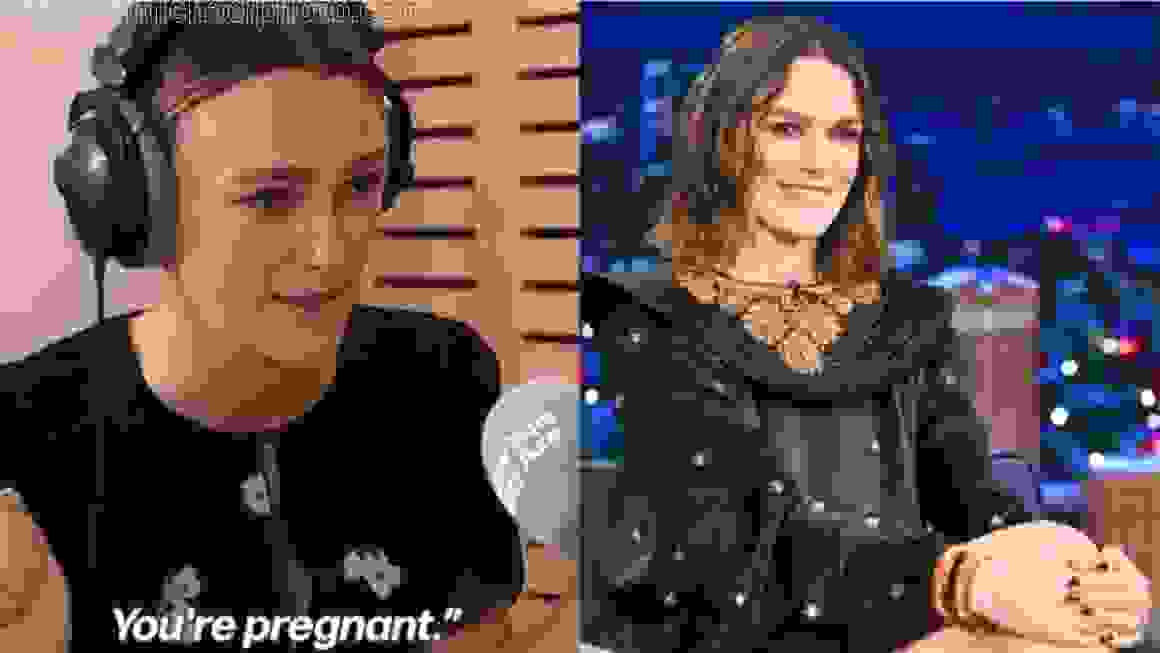
Actor Keira Knightley recently shared her experience on a parenting podcast, describing how her once-straight hair developed what she called a “zig-zag” texture during pregnancy. Her story quickly resonated online, with countless women chiming in about similar changes—often dubbed the “pregnancy hair texture change” or “pregnancy perm effect.”
How Pregnancy Hormones Affect Hair Texture and Growth
Meanwhile, the science behind these changes is rooted in hormonal fluctuations. During pregnancy, levels of estrogen and progesterone rise significantly. According to MedlinePlus, these hormones directly influence the hair growth cycle.
Hair typically cycles through three stages: growth (anagen), rest (telogen), and shedding. Elevated estrogen prolongs the growth phase, which explains why many women report thicker, fuller hair during pregnancy. You’re simply shedding fewer strands than usual.
That said, texture changes—like straight hair turning wavy or curly—are less predictable. Experts believe hormones can alter the shape of hair follicles, temporarily or even permanently. This shift may lead to changes in curl pattern, density, or overall manageability.
Real Stories Behind the “Pregnancy Perm” Phenomenon
Notably, social media is filled with firsthand accounts that mirror Knightley’s experience. Some women describe discovering unexpected curls months into pregnancy, while others notice uneven texture changes—like a single wavy patch at the back of the head.
In many cases, these changes persist long after childbirth. For others, hair gradually returns to its pre-pregnancy state. The variability makes “pregnancy hair transformation” one of the more intriguing—and least understood—physical changes tied to this stage of life.
Interestingly, similar hormonal shifts can occur during puberty or menopause, which may also explain sudden changes in hair texture at different life stages.
Postpartum Hair Loss and What to Expect After Birth
After delivery, hormone levels drop rapidly. As a result, the hair that remained in the growth phase during pregnancy enters the shedding phase all at once. This condition, known as postpartum telogen effluvium, often leads to noticeable hair loss.
According to the American Academy of Dermatology, this type of hair loss is temporary and typically peaks around three to four months after childbirth. While it can feel alarming, it’s a normal part of the body resetting its natural cycle.
Ultimately, whether you experience thicker hair, unexpected curls, or postpartum shedding, these changes reflect the body’s complex hormonal shifts. While not always predictable, they’re a reminder that pregnancy affects far more than what meets the eye—and sometimes, the results can last for years.