

Behind the headlines about Oracle’s $150 billion AI infrastructure investment, a different story is unfolding—one defined not by innovation, but by the people left in its wake. As discussions around “workforce optimization” grow louder, employees and their families are sharing deeply personal accounts that paint a more complex picture.
Oracle Layoffs 2026: Employee Reactions Go Viral
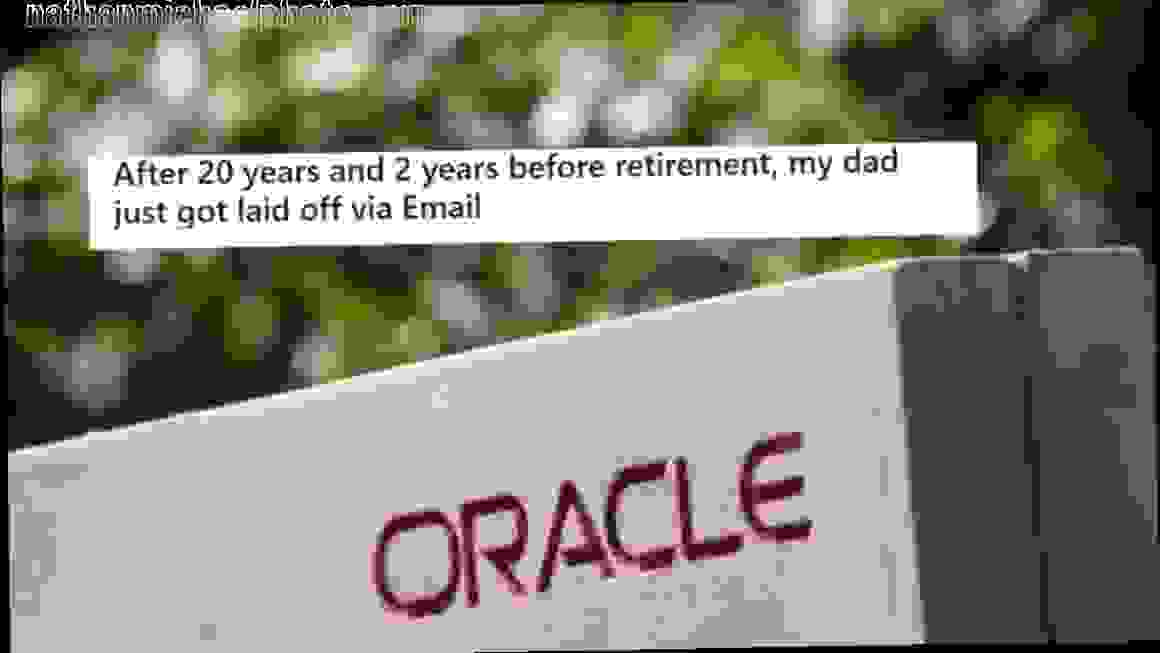
In recent days, a widely circulated post on Reddit has drawn attention to the human impact of the ongoing Oracle layoffs in 2026. A user described how his father, a two-decade veteran of the company, reportedly received notice of his termination through an automated message rather than a direct conversation.
Notably, the emotional weight of the story struck a chord across the tech community. The post highlighted not just job loss, but the sudden disruption of stability—particularly for employees nearing retirement age or dealing with ongoing health concerns. Meanwhile, other users quickly joined the discussion, sharing similar experiences that suggest a broader pattern rather than isolated incidents.
One commenter described a nearly identical situation involving a long-term employee facing both job loss and relocation challenges abroad. Another shared how, after nearly 30 years with the company, their departure came just as abruptly. These stories, while anecdotal, reflect growing concerns about how large-scale tech layoffs are being handled.
AI Infrastructure Investment vs Workforce Reductions
Oracle’s aggressive push into AI infrastructure is part of a larger trend among major tech firms investing heavily in cloud computing and machine learning capabilities. According to Oracle’s official website, the company aims to expand its data center footprint and strengthen its position in enterprise AI solutions.
That said, this transformation appears to come with significant workforce restructuring. Employees across regions—including the United States, India, and Canada—have reported sudden system access revocations and minimal transition support. For international workers, the situation can be even more complex, involving visa uncertainties and relocation pressures.
Meanwhile, industry analysts note that such restructuring is often framed as necessary for long-term growth. However, the immediate impact on employees raises important questions about corporate responsibility during periods of rapid technological change.
What Laid-Off Employees Should Know About Benefits and Next Steps
As discussions continue online, many users are offering practical advice for those affected by Oracle job cuts. Suggestions include exploring government healthcare programs and understanding post-employment insurance options. Resources like Healthcare.gov provide guidance on coverage eligibility, especially for those facing sudden unemployment.
Importantly, financial planning and early action can make a significant difference during such transitions. While severance packages and temporary benefits may offer short-term relief, long-term stability often depends on quickly navigating new employment opportunities and support systems.
Ultimately, the Oracle layoffs of 2026 underscore a broader shift in the tech industry—where rapid innovation and human impact are increasingly intertwined. As companies accelerate toward AI-driven futures, the challenge will be balancing progress with empathy and accountability.