

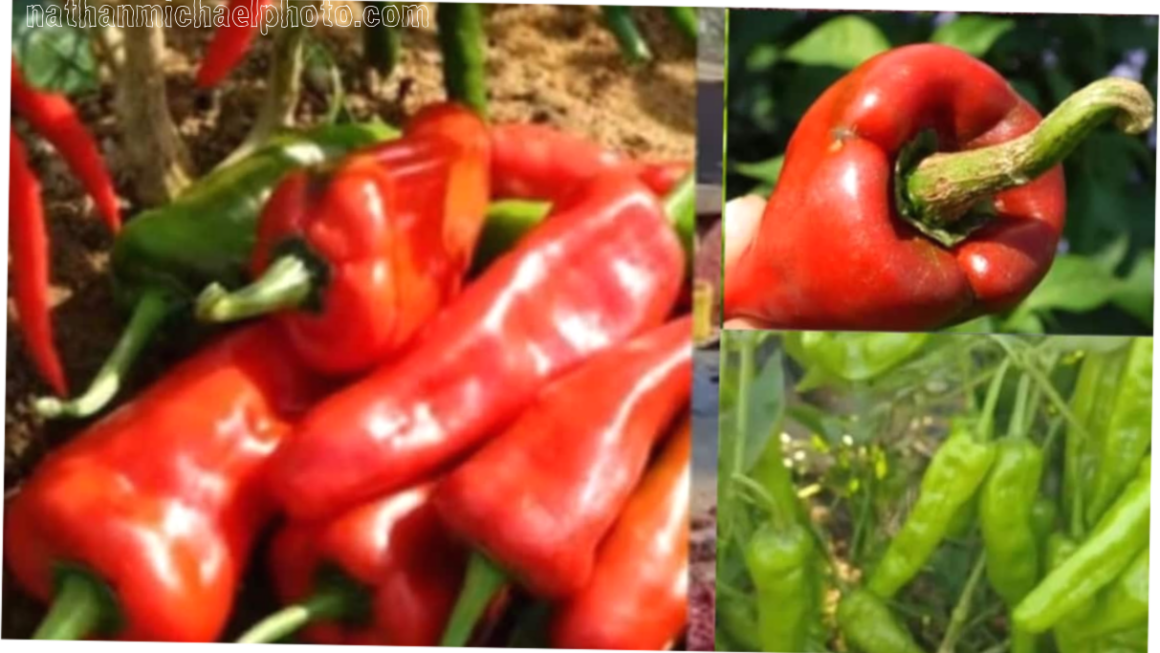
Hidden behind the vibrant shade of everyday beauty products is an unlikely agricultural hero from southern India. Warangal district in Telangana is now drawing international attention for its bright red chillies, prized not only in kitchens but across the global cosmetics supply chain.
Warangal Red Chillies and the Rise of Natural Colorants
Warangal red chillies, including well-known varieties like Tomato Chilli and Wonder Hot, stand apart for their intense hue and glossy finish. Notably, this striking color comes from oleoresin, a naturally occurring extract that has become highly sought after by international cosmetics manufacturers.
Oleoresin derived from Warangal chillies is widely used as a natural coloring agent in lipsticks and nail products. Meanwhile, global brands are actively moving away from synthetic dyes in favor of plant-based alternatives that offer better skin compatibility and longer shelf life. This shift has significantly increased demand from markets in Europe and Mexico, where buyers are willing to pay premium prices for consistent quality.
That said, what truly differentiates Warangal produce is its reliability. Industry buyers value the uniform pigment concentration, which reduces processing losses and improves batch consistency—an often-overlooked advantage in large-scale manufacturing.
GI Tag Recognition and Premium Market Value
Recognizing its uniqueness, the Government of India granted Warangal chilli a Geographical Indication (GI) tag on March 28, 2025. This certification protects the product’s origin and reinforces its authenticity in global trade. Official details about GI products can be found on the Intellectual Property India website.
Following the GI tag announcement, farm-gate prices surged. Depending on quality and export demand, rates can reach up to Rs 300 per kilogram, directly improving farmer profitability. For many growers, this marks a shift from volume-driven sales to value-driven agriculture.
From a market perspective, GI status also strengthens India’s negotiating position in natural food coloring and cosmetic ingredient exports, sectors projected to grow steadily over the next decade.
Enumamula Market and Warangal’s Global Trade Impact
At the center of this success story is the Enumamula Agricultural Market, widely recognized as Asia’s second-largest chilli trading hub. During peak season, daily transactions worth several crores of rupees are recorded, supporting thousands of farming families across the region.
The region’s mineral-rich soil and balanced humidity are critical factors behind the chillies’ deep red color—conditions that are difficult to replicate elsewhere. As a result, food-processing units prefer Warangal chillies for their high pulp content and fewer seeds. Chilli paste from this region is especially popular in Gulf countries, where it is used in sauces and ready-to-use blends.
India currently leads the world in chilli production, with Warangal playing a strategic role in export growth. According to insights shared by export bodies such as APEDA, natural colorants and premium spice derivatives are among the fastest-growing segments.
Ultimately, Warangal’s red chillies represent more than a successful crop. They reflect how regional specialization, global demand for natural ingredients, and smart policy recognition can reshape rural economies while strengthening India’s footprint in high-value international markets.