

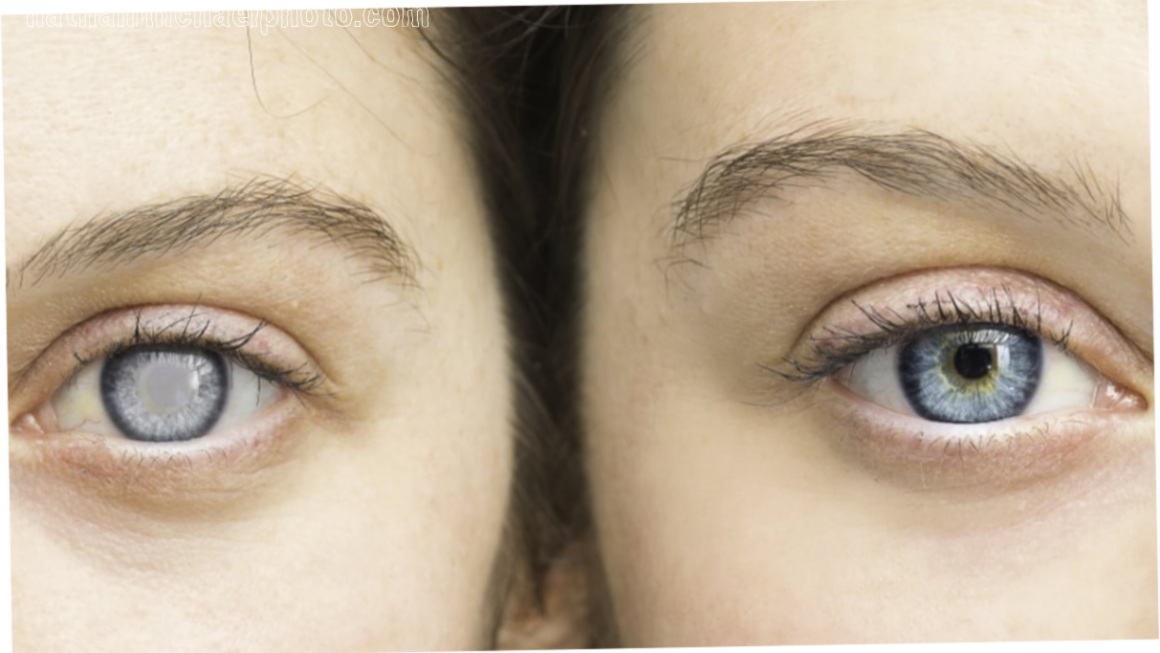
Once thought of as a condition tied almost exclusively to aging, glaucoma is now appearing with surprising frequency in younger adults. This shift is prompting eye specialists to rethink risk profiles, screening timelines, and how modern habits may be quietly affecting long-term vision health.
Traditionally, glaucoma risk increased after age 40. That said, ophthalmologists are now diagnosing the disease in people in their 20s and 30s—often before any noticeable symptoms emerge. According to Dr. Chaitanya Vemu, Consultant Ophthalmologist at KIMS Hospitals Thane, this trend reflects a mix of lifestyle changes, genetic factors, and advances in diagnostic technology.
Understanding Glaucoma and Its Silent Progression
Glaucoma is a group of eye conditions that damage the optic nerve, which carries visual information from the eye to the brain. In many cases, this damage is linked to elevated intraocular pressure caused by impaired fluid drainage within the eye. The most common type, primary open-angle glaucoma, develops gradually and without pain.
Notably, glaucoma often begins by affecting peripheral vision, leaving central vision intact until later stages. Because this vision loss is irreversible, early detection is essential. Many patients are unaware they have the condition until significant damage has already occurred.
For a detailed clinical overview, the American Academy of Ophthalmology outlines how optic nerve damage progresses and why routine eye exams matter.
Why Glaucoma in Young Adults Is on the Rise
Several factors help explain the growing incidence of glaucoma among younger populations. Meanwhile, prolonged screen use has become a defining feature of modern work and leisure. While digital devices do not directly cause glaucoma, extended screen time is associated with eye strain, poor sleep, and stress—factors that may indirectly influence eye pressure and delay preventive care.
Another key contributor is the global rise in myopia. High myopia alters the structure of the eye, increasing vulnerability to optic nerve damage. Studies cited by the National Eye Institute confirm that severe nearsightedness is a significant glaucoma risk factor.
Genetics also play a major role. Young adults with a family history of glaucoma face a higher lifetime risk, making early glaucoma screening particularly important for these individuals.
The Importance of Early Glaucoma Screening and Management
Improved awareness and advanced diagnostic tools are reshaping how glaucoma is detected. Technologies such as Optical Coherence Tomography (OCT) and visual field testing allow clinicians to identify subtle optic nerve changes long before symptoms appear.
Treatment for glaucoma in young adults focuses on lowering intraocular pressure through prescription eye drops, laser procedures, or surgery when necessary. Management plans are typically customized, taking into account long-term adherence, work demands, and disease progression.
Ultimately, the rise of early-onset glaucoma underscores a broader message: proactive eye care matters at every age. Regular comprehensive eye exams—especially for those with myopia, family history, or lifestyle-related health conditions—can make the difference between preserved vision and permanent loss. Early detection is not optional; it is the cornerstone of effective glaucoma care.