

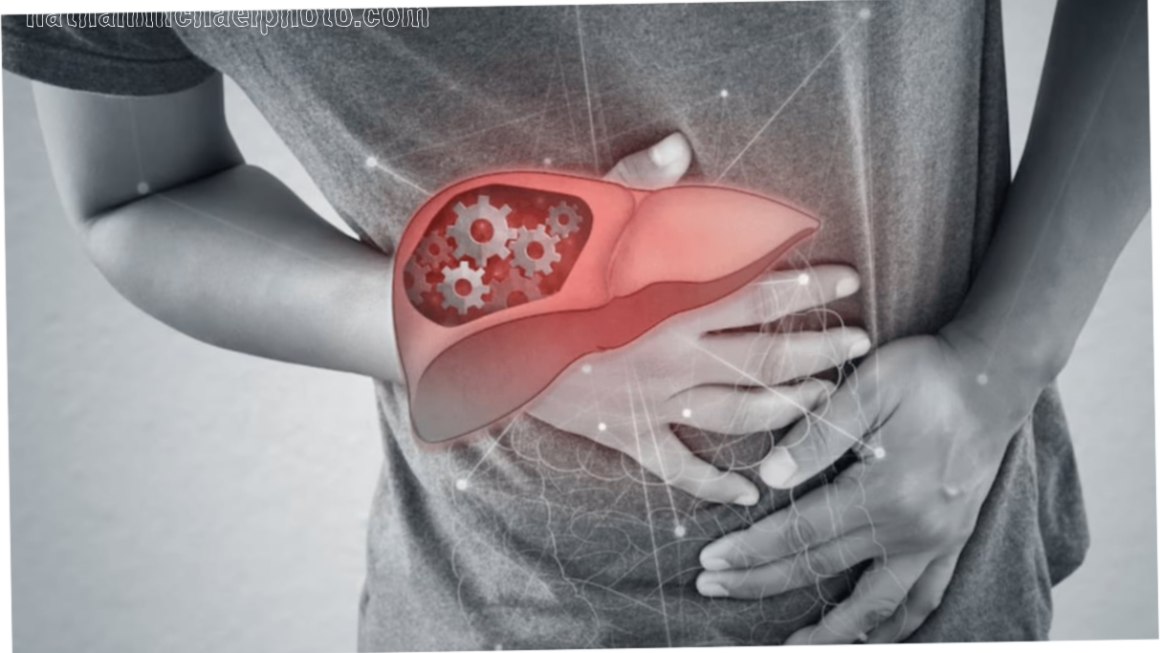
Once considered a condition tied mainly to alcohol use, fatty liver disease has quietly become one of the fastest-growing metabolic health concerns worldwide. Today, experts are reframing the conversation, emphasizing that daily habits—not alcohol alone—are often the real drivers behind liver damage.
Non-alcoholic fatty liver disease is now widely known as Metabolic Dysfunction–Associated Steatotic Liver Disease (MASLD), a name that better reflects its root causes. Affecting nearly 30 percent of the global population, MASLD is rising sharply in India, largely due to obesity, type 2 diabetes, sedentary routines, and modern dietary patterns. Notably, it has emerged as a leading contributor to liver cirrhosis and liver cancer. The good news is that, in many cases, MASLD can be managed—and even reversed—without medication.
Why Weight Loss Is Central to MASLD Treatment
Weight reduction remains the cornerstone of fatty liver disease management. Clinical evidence shows that losing just 3–5 percent of body weight can significantly reduce liver fat. Meanwhile, a 7–10 percent reduction may calm inflammation and even reverse early-stage liver scarring.
That said, the pace of weight loss matters. Rapid drops on the scale can strain the liver, sometimes worsening damage. Specialists generally advise a gradual approach—around one kilogram per week—to support metabolic balance and long-term success.
Diet and Exercise: A Powerful Combination for Liver Health
Dietary changes play a pivotal role in reversing MASLD. Among various eating patterns, the Mediterranean diet consistently ranks as the most effective approach for fatty liver management. This diet prioritizes healthy fats like extra-virgin olive oil and omega-3-rich fish, alongside vegetables, fruits, legumes, nuts, and whole grains. At the same time, it limits processed foods, red meat, and added sugars.
Interestingly, studies suggest that drinking two to three small cups of black coffee daily may help lower liver inflammation and reduce the risk of fibrosis. According to research highlighted by the National Institute of Diabetes and Digestive and Kidney Diseases, coffee appears to offer protective benefits for liver function.
Exercise works hand in hand with diet. Even without significant weight loss, regular physical activity can reduce liver fat by improving insulin sensitivity. Doctors recommend at least 150 minutes of moderate-intensity exercise each week, such as brisk walking, cycling, or swimming. Strength training two to three times weekly further supports metabolic health.
Emerging Lifestyle Therapies and Medical Guidance
Beyond diet and exercise, several non-medication strategies are gaining attention. Digital health tools, including mobile apps and wearable devices, now help patients track activity, sleep, and nutrition. Improved sleep quality—ideally seven to nine hours per night—combined with stress management techniques like yoga and guided breathing may also support liver recovery.
For individuals with severe obesity, bariatric surgery has shown remarkable results, often leading to significant improvement or complete resolution of liver inflammation. However, supplements should never be taken without medical supervision. In selected cases, doctors may recommend omega-3 fatty acids, vitamin E, or probiotics to support gut–liver health.
Importantly, fatty liver disease is reversible in its early stages. With timely lifestyle changes and expert medical guidance, many people can avoid medications altogether and significantly lower their risk of long-term liver complications. As global health organizations like the World Health Organization emphasize, prevention and early intervention remain the most effective tools in combating metabolic liver disease.