

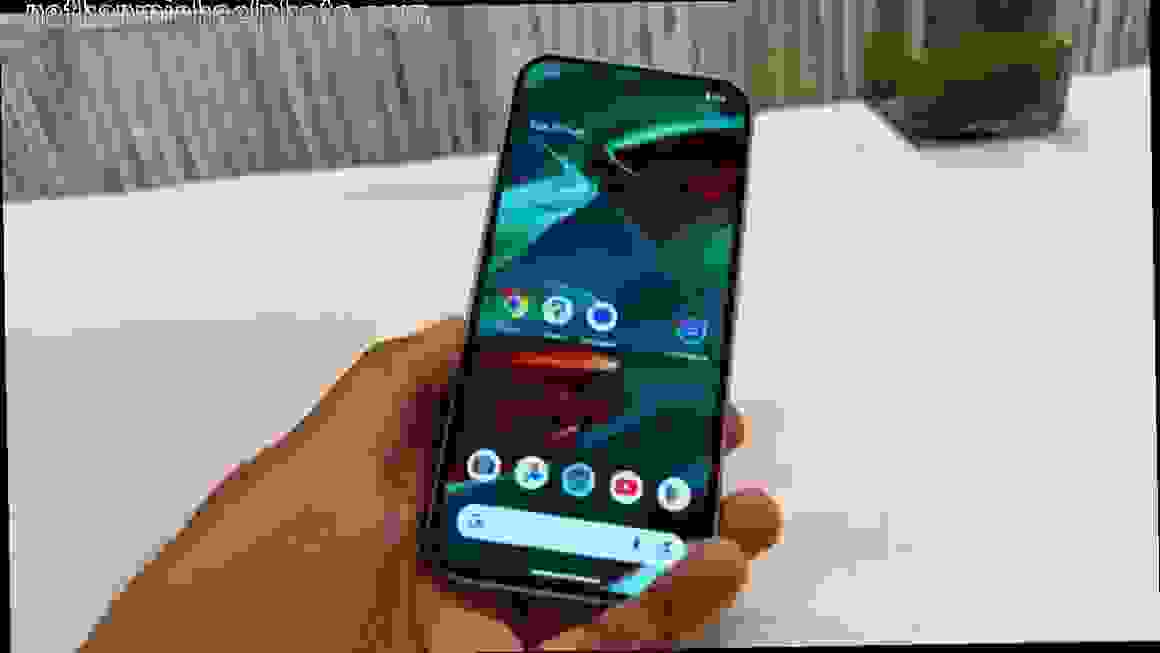
Google is quietly laying the groundwork for its next major mobile software update, and early signs suggest Android 17 could introduce one of the platform’s most refined visual evolutions yet. Building on recent design momentum, the update hints at a cleaner, more immersive interface aimed at modern devices.
Android 17 Design Changes: A New Direction for the Android UI
After debuting the Material 3 Expressive design language with Android 16, Google appears ready to take a more nuanced approach with Android 17. Rather than a full-scale redesign, internal development builds point to subtle UI enhancements, most notably a system-wide blur effect that adds depth and transparency while scrolling or switching between apps.
Notably, this visual treatment is expected to debut on Pixel phones first, reinforcing Google’s long-standing strategy of using Pixel hardware as a showcase for new Android features. Meanwhile, the blur-based interface gives Android 17 a softer, layered look that feels modern without overwhelming the user.
Unlike Apple’s recent push toward a highly glass-inspired aesthetic, Google’s implementation appears more restrained. The goal, according to early documentation, is to improve visual continuity and spatial awareness, helping users keep track of background apps while navigating the system.
From Android 16 to Android 17: Refinement Over Reinvention
Android 16 marked one of the most significant design shifts in recent years, which may explain why Android 17 is shaping up as a refinement cycle. That said, these smaller UI tweaks could have a big impact, especially as Android continues to scale across foldables, tablets, and larger-screen devices.
Google has emphasized consistency across form factors, and the upcoming Android update is expected to further optimize animations, motion, and interface responsiveness. That focus aligns with broader industry trends favoring smoother transitions and reduced visual clutter.
Meanwhile, developers and enthusiasts are watching upcoming Android 16 QPR releases closely, as these quarterly updates often preview features destined for the next major version. More clues may also emerge ahead of Google I/O 2026, where Android 17 is expected to be formally unveiled.
Pixel Launch Timeline and Emerging Platform Challenges
If Google follows its usual release cadence, Android 17 will arrive alongside the Pixel 11 series later this year. The Pixel-first rollout strategy allows Google to fine-tune performance and gather feedback before expanding availability to other manufacturers.
That said, the Android ecosystem faces ongoing security and performance challenges. Researchers have recently identified a new category of harmful software capable of leveraging artificial intelligence techniques to slow down devices over time. Reports indicate that some affected apps have surfaced in third-party app marketplaces, highlighting the continued risks associated with sideloading.
As Android evolves visually and technically, Google will need to balance design innovation with platform integrity. The Android 17 update appears poised to do just that—offering thoughtful UI improvements while reinforcing the system’s adaptability across devices.