

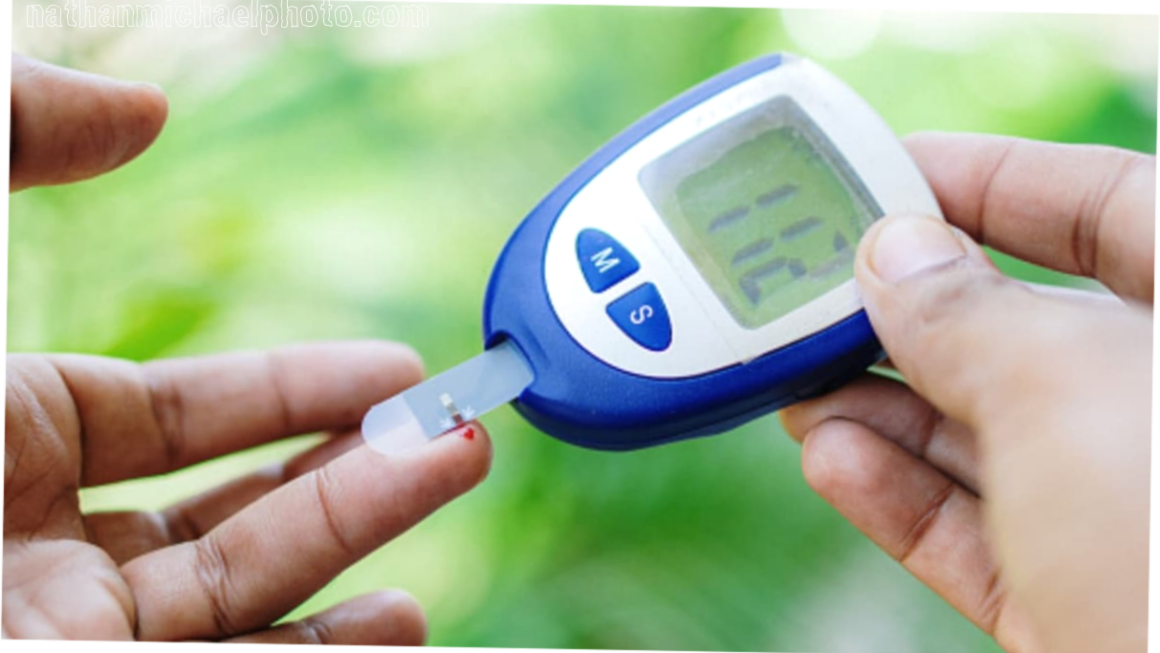
Diabetes is no longer a distant health concern—it is a fast-growing public health challenge that touches millions of Indian households. As cases climb steadily, early diagnosis and routine diabetes testing are becoming the most effective tools to prevent lifelong complications.
By 2025, India was projected to face a full-scale diabetes epidemic, with studies such as the ICMR–INDIAB survey estimating that more than 100 million people could be living with type 2 diabetes. Notably, an additional 25 million individuals were expected to fall into the prediabetes category, signaling a sharp rise compared to previous decades. Early identification, experts say, can make a decisive difference.
To understand the importance of periodic diabetes screening, we spoke with Dr. Tanish Mandal, Lab Head and Zonal Technical Chief (North India) at the Regional Reference Lab, Apollo Diagnostic, Delhi.
Understanding Diabetes and Why Cases Are Increasing
Diabetes develops when the body either does not produce sufficient insulin or cannot use it efficiently. Insulin plays a critical role in moving glucose from the bloodstream into cells, where it is used for energy. When this process falters, blood sugar levels rise and remain elevated.
There are two primary forms—Type 1 diabetes and Type 2 diabetes—with the latter accounting for the vast majority of cases in India. Meanwhile, lifestyle-related factors such as unhealthy diets, rising obesity rates, chronic stress, hormonal changes, aging, and low physical activity continue to fuel the surge in diabetes prevalence.
Common warning signs include frequent urination, excessive thirst, unexplained weight loss, persistent fatigue, blurred vision, delayed wound healing, and recurring infections. That said, many people remain symptom-free in the early stages, which makes regular diabetes blood tests essential.
Why Early Detection of Diabetes Is Critical
Early detection allows timely intervention through lifestyle modifications and medical guidance, significantly reducing the risk of complications such as heart disease, stroke, kidney damage, and nerve-related problems. According to Dr. Mandal, individuals diagnosed early often achieve better blood sugar control with structured diet plans, physical activity, and prescribed medications.
Moreover, proactive testing improves long-term quality of life and lowers healthcare costs associated with advanced disease management. Health authorities including the World Health Organization and the Indian Council of Medical Research consistently emphasize early screening, especially for high-risk groups.
Common Tests Used for Diabetes Screening
When a physician recommends diabetes screening, timely testing is crucial. The most commonly advised tests include:
Fasting Blood Sugar Test: Measures blood glucose after an overnight fast and is widely used for initial screening.
HbA1c Test: Reflects average blood sugar levels over the past two to three months and is considered a reliable indicator for long-term control.
Oral Glucose Tolerance Test (OGTT): Assesses how efficiently the body processes glucose after consumption.
Random Blood Sugar Test: Offers quick insight into current glucose levels, often used in symptomatic individuals.
Reputed diagnostic networks such as Apollo Diagnostics follow standardized testing protocols aligned with global best practices.
In a country facing a growing diabetes burden, regular screening is no longer optional—it is preventive healthcare at its most practical. Early testing, combined with informed lifestyle choices, remains the strongest defense against the long-term impact of diabetes.