

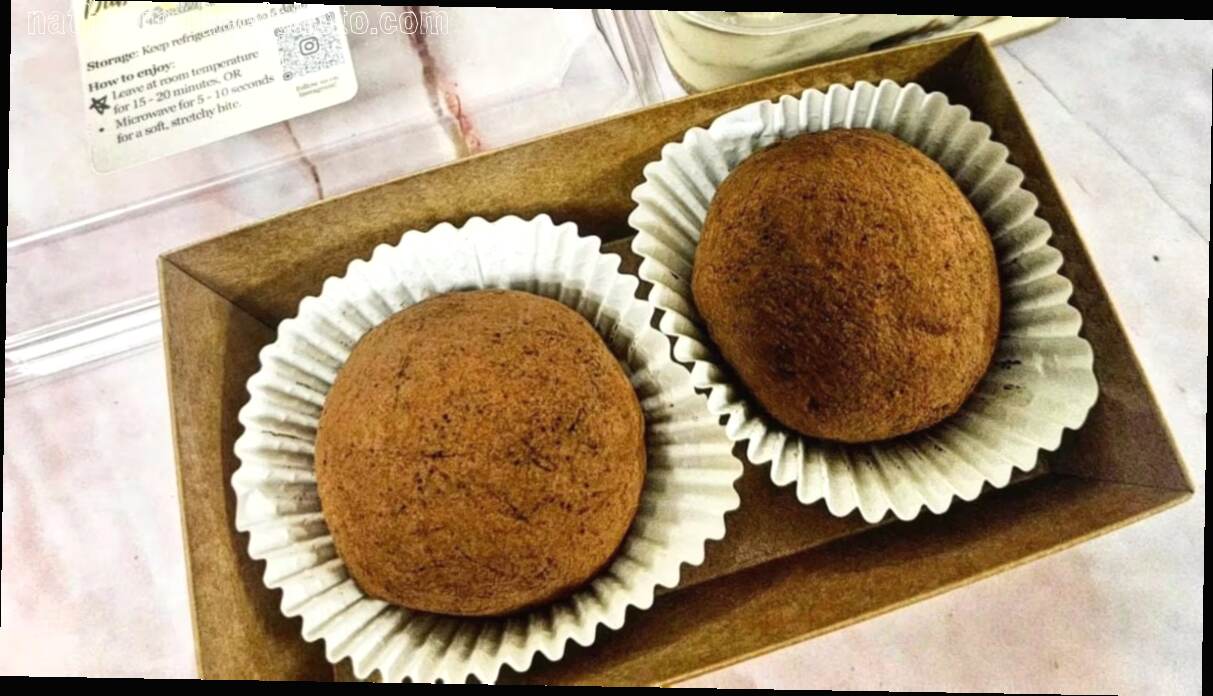
What begins as a niche dessert can sometimes turn into a national obsession almost overnight. In South Korea, that moment has arrived with Dubai-style cookies—an indulgent treat now selling out faster than many cafés can restock.
Locally nicknamed Dujjonku, these cookies draw inspiration from the global popularity of Dubai chocolate. Each one blends rich chocolate, pistachio cream, and finely shredded pastry known as kadaif, creating a texture and flavor profile that feels both luxurious and unfamiliar to many Korean consumers.
Search Trends and Sales Reveal a Full-Blown Food Craze
Notably, the rise of Dubai-style cookies in South Korea is not anecdotal—it is backed by data. According to Naver, the country’s leading search engine, searches related to Dubai-style cookies jumped more than 20-fold over the past three months. Meanwhile, food delivery platforms recorded search increases of up to 1,500 times in just one month.
That surge has had visible, real-world effects. Customers line up outside bakeries early in the morning, even during the coldest winter days. Some independent cafés reportedly sell hundreds of cookies within minutes of opening. Convenience store versions have also sold out repeatedly, highlighting demand across both premium and mass-market segments.
That said, supply has struggled to keep pace. One developer even created a live online map to show which shops still have stock available. As reported by BBC News, restaurants that traditionally never sold desserts—such as sushi bars and cold-noodle shops—have begun adding Dubai-style cookies to their menus simply to meet customer expectations.
K-Pop Influence Turns a Dessert into a Cultural Moment
Celebrity endorsement has played a decisive role in accelerating this viral dessert trend. Photos shared by K-pop stars enjoying the cookies have quickly spread across social media, encouraging fans to try them for themselves. In one widely shared image, IVE member Jang Won-young appeared with chocolate-dusted lips, sparking a secondary trend dubbed the “Dujjonku lip.”
“It definitely feels like a viral phenomenon,” one Seoul office worker told local media, pointing out that celebrity visibility often shapes food trends in South Korea. Platforms such as Yonhap News have echoed this view, citing manufacturers who admit their production lines are running at full capacity.
Pricing, Health Concerns, and the Broader Impact
Each cookie weighs roughly 50 grams and typically sells for between 5,000 and 10,000 won. Purchases are often limited to two per customer, and prices are expected to rise if demand remains strong. From a market standpoint, the pricing reflects scarcity; from a consumer perspective, many still view it as a premium indulgence.
Health experts have also weighed in. Korea University Guro Hospital warned that a single cookie can contain up to 500 calories, cautioning against frequent consumption. Despite these concerns, enthusiasm shows little sign of slowing.
Before long, many consumers find themselves seeking out another bakery or café just to try the dessert again—a clear sign that Dubai-style cookies have become more than a passing trend. For now, they continue to dominate South Korea’s viral food landscape, fueled by curiosity, celebrity influence, and the powerful pull of social media.